Welcome to tagrissoandme.co.uk*
This website is intended only for UK patients who have been prescribed TAGRISSO® (osimertinib)
*This website has been produced and funded by AstraZeneca UK.
This website is intended only for UK patients who have been prescribed TAGRISSO® (osimertinib)
*This website has been produced and funded by AstraZeneca UK.

There are two main types of lung cancer, which are separated from each other because of the type of cells that the cancer starts in. The type of lung cancer you have determines your treatment options:1
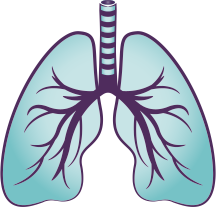
Lung cancer is the third most common type of cancer,2,3 with around 48,500 people diagnosed with the condition every year in the UK. NSCLC is a type of lung cancer.1 About 80% to 85% of lung cancers are NSCLC.1,4
Lung cancer can start in any part of the lungs or airways and happens when abnormal cells grow in an uncontrolled way. Abnormal cells can form lumps called tumours, which grow within the lung or spread to other parts of the body.2,5
Many NSCLC patients who are diagnosed in early stages are candidates for complete tumour removal by surgery (also known as ‘resectable NSCLC’). Some patients may receive chemotherapy following their surgery.6,7 However, even with surgery, the cancer may return. That’s why biomarker testing is critical.8 Testing at the earliest possible opportunity provides your doctor with information to help decide which treatment is most appropriate for you by determining if you have a specific mutation type that may be driving the growth of your cancer.9
A Non-Small Cell Lung Cancer (NSCLC) diagnosis can come as quite a shock and bring uncertainty about what your future holds. You may have a lot on your mind with so much new information coming your way all at once.
Just know that while each person with lung cancer has different needs, you are not alone. Your healthcare team is there to support you. Now that you and your doctor have chosen a treatment, you may find comfort in knowing that there is a treatment path forward.
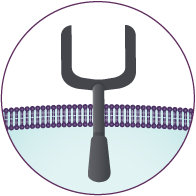
EGFR is a protein present on the cell surface which can control how cells grow and divide.10
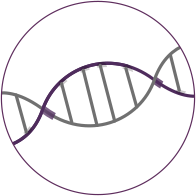
All cells contain DNA which is a set of instructions which tell the cell how to behave. A mutation is a change in the DNA of a cell. Some mutations are completely harmless, but some can cause cells to behave abnormally and lead to diseases like cancer.11,12 Some patients with NSCLC have a mutation in the gene for EGFR, this can cause lung cancer tumours to grow quicker as a result of a change in how these EGFR proteins function.13
Common types of EGFR mutation include exon 19 deletion and L858R substitution. Each account for approximately 45% of all EGFR mutations.13

TAGRISSO contains the active substance osimertinib, which belongs to a group of medicines called protein kinase inhibitors which are used to treat cancer. TAGRISSO is used to treat adults with a type of lung cancer called ‘non-small cell lung cancer.’ If a test has shown that your cancer has certain changes (mutations) in a gene called ‘EGFR’ (epidermal growth factor receptor) your cancer is likely to respond to treatment with TAGRISSO.14,15

Biomarker tests help identify what type of cancer you have, and therefore enable your doctor to determine which treatment options may be right for you.9
References:
GB-73009 I DOP: January 2026
Reporting side effects
If you get any side effects, talk to your doctor, nurse or pharmacist. This includes any possible side effects not listed in the Patient Information Leaflet. You can also report side effects directly via the Yellow Card Scheme, website: https://yellowcard.mhra.gov.uk. By reporting side effects you can help provide more information on the safety of medicines.
Side effects can also be reported to AstraZeneca in the following ways:
No imagery of real patients has been used on this site.
© AstraZeneca 2026. All rights reserved
GB-76796| DOP: October 2026